

Many students across the Columbia Gorge know the material—but when test day arrives, everything feels different. Hands shake, the clock feels louder, and suddenly familiar problems seem confusing.
Parents in and around The Dalles, OR often tell me:
- “My student freezes during tests.”
- “Practice scores are good, but test scores drop.”
- “They know the math—why can’t they show it?”
- “Tests cause so much stress at home.”
Test anxiety is real, common, and manageable—especially with the right support.
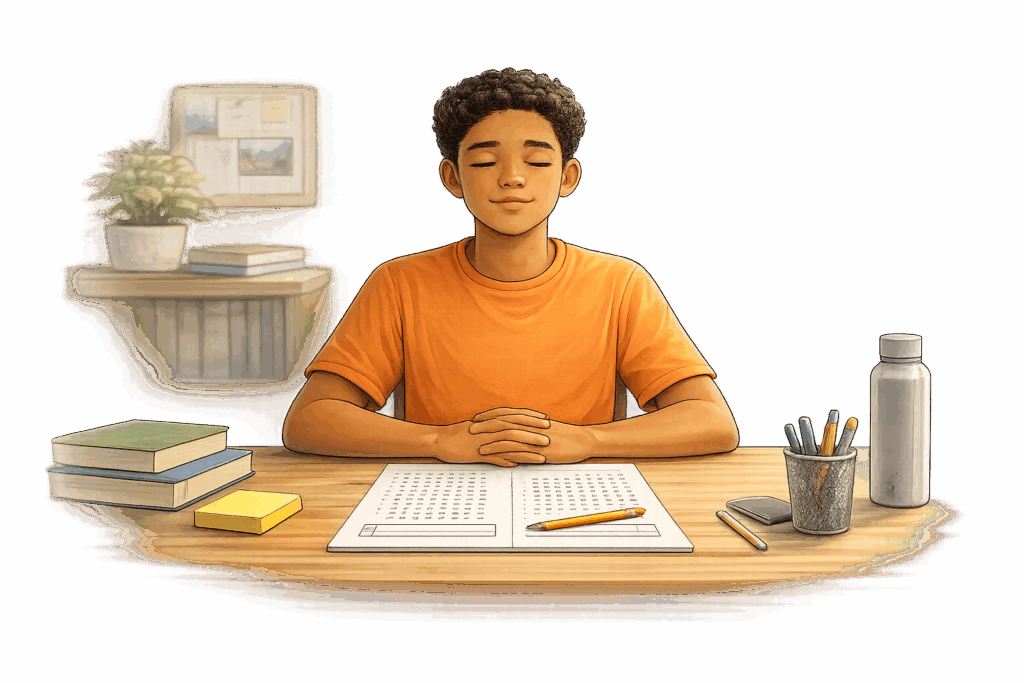
What Test Anxiety Actually Looks Like
Test anxiety isn’t just “nerves.” It affects thinking, memory, and focus.
Common signs include:
- Racing thoughts
- Difficulty recalling information
- Overthinking simple questions
- Physical symptoms like headaches or stomach aches
- Running out of time due to second-guessing
Students in smaller schools across the Gorge may feel added pressure because every test feels high-stakes.
Why Anxiety Interferes With Performance
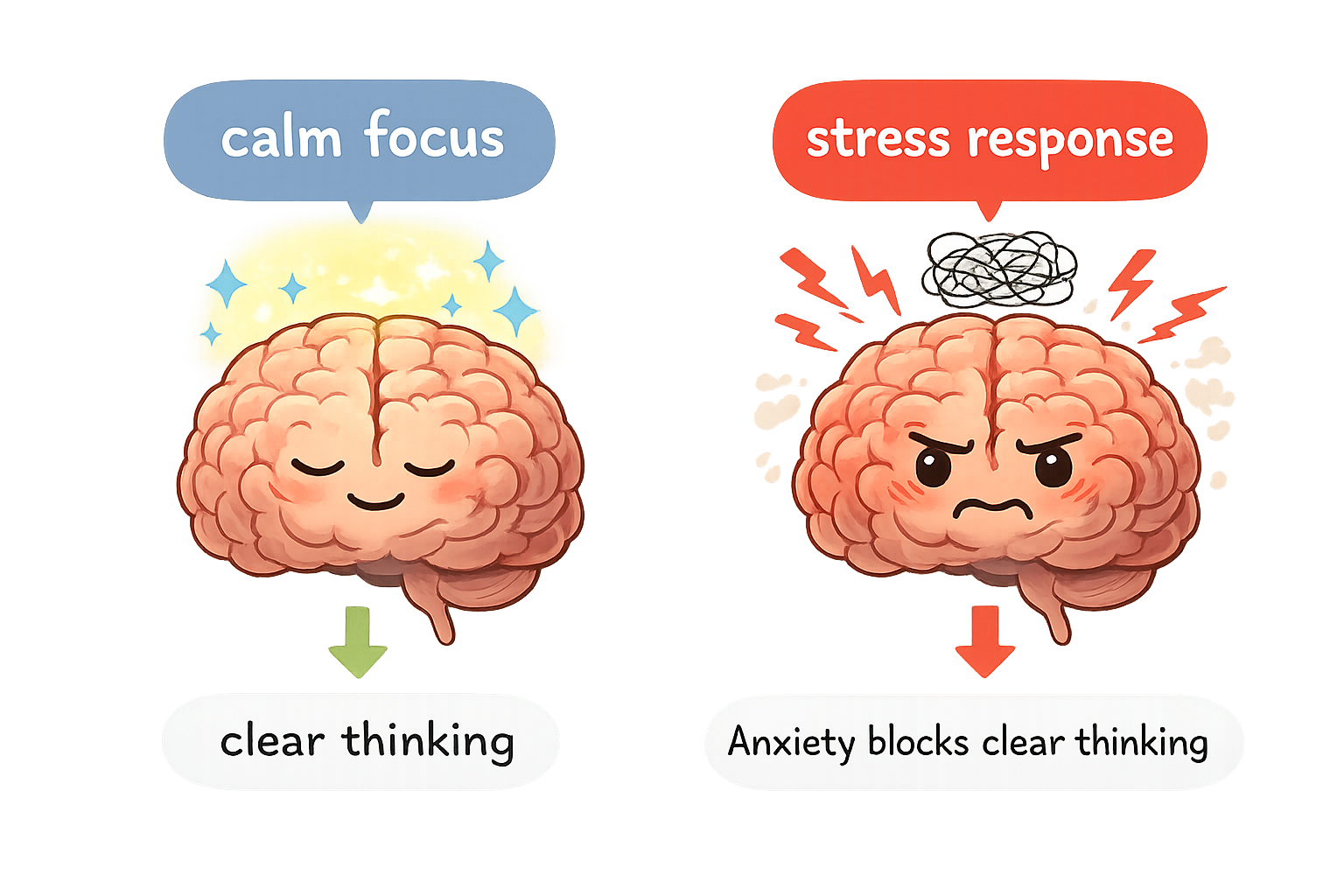
When anxiety spikes, the brain shifts into survival mode.
This can cause:
- Reduced working memory
- Slower processing speed
- Increased careless mistakes
- Difficulty applying known strategies
The result? Scores that don’t reflect true ability.
Why “Just Relax” Doesn’t Work
Students often hear:
- “Don’t worry.”
- “Just do your best.”
- “You’ll be fine.”
While well-intentioned, this advice doesn’t give students tools.
What does help is:
- Preparation that builds familiarity
- Strategy training
- Controlled exposure to test conditions
- Confidence built through success
How Tutoring Helps Reduce Test Anxiety
Targeted tutoring addresses both skills and mindset.
In sessions, students learn to:
- Break tests into manageable sections
- Recognize when anxiety is rising
- Use pacing strategies to regain control
- Focus on process instead of outcome
- Practice under low-pressure conditions
This is especially helpful for students across the Columbia Gorge, where access to test-prep resources may be limited.
Step-by-Step: Building Confidence Before Test Day
Here’s what effective anxiety-reducing prep looks like:
- Normalize Anxiety
Understanding that nerves are common reduces fear. - Practice Under Real Conditions
Timed sections build familiarity. - Develop a Test Plan
Know what to do when stuck. - Focus on Strengths First
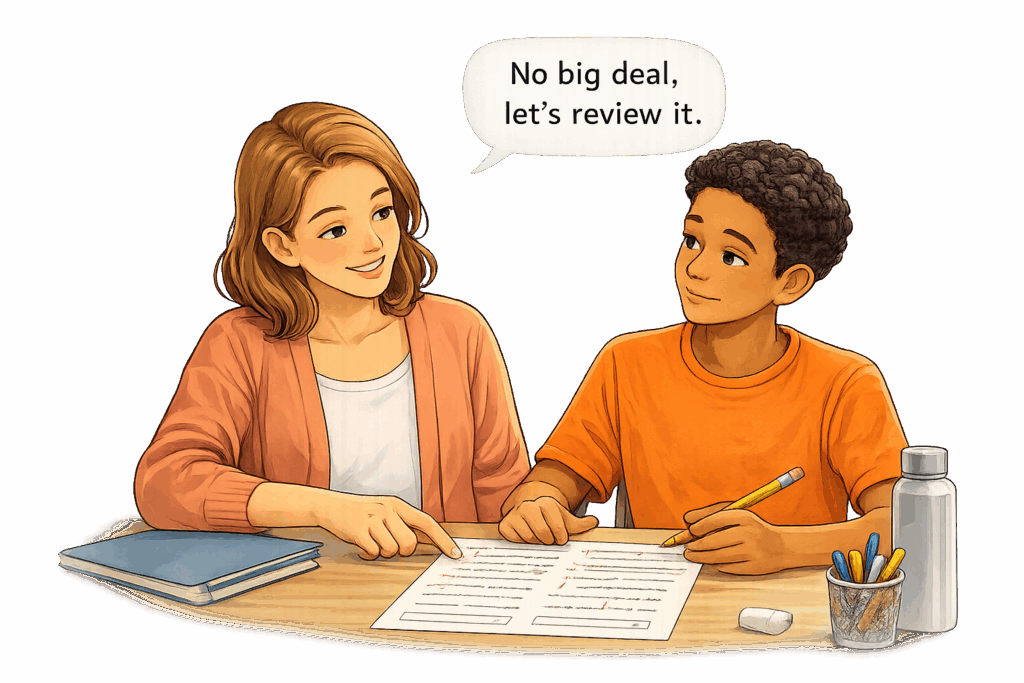
Early success builds momentum. - Reflect Without Judgment
Mistakes become data, not failure.
This approach helps students feel prepared—not overwhelmed.
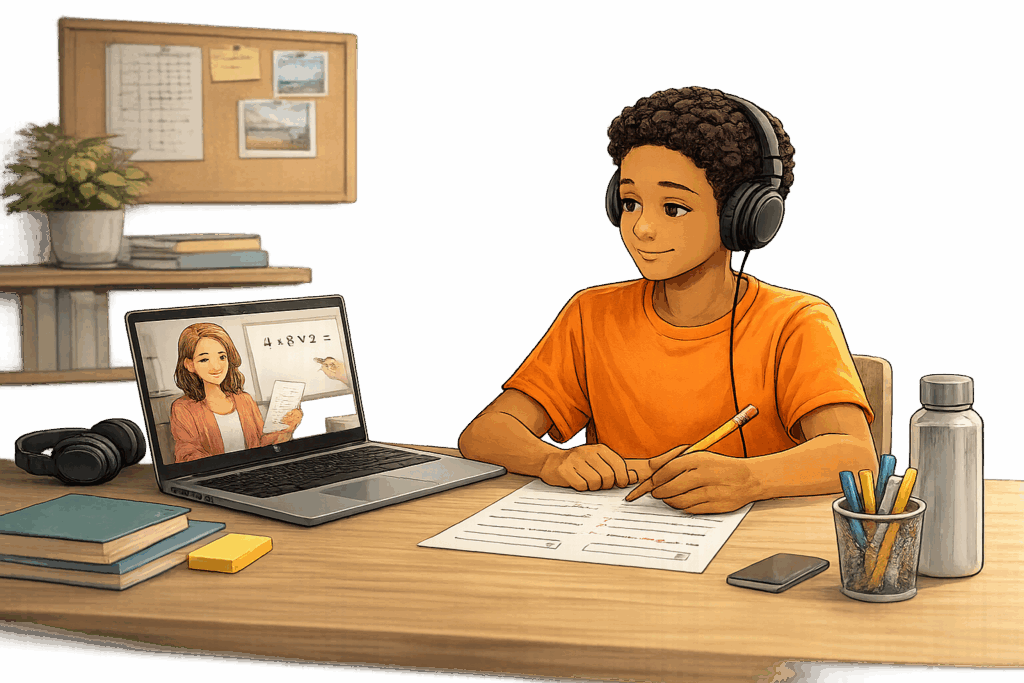
Why Online Tutoring Works Well for Anxious Students
Online tutoring offers:
- A comfortable, familiar environment
- Reduced social pressure
- One-on-one attention
- Flexible pacing
- Privacy for asking questions
For many students in the Gorge, this setting lowers anxiety and increases engagement.
What I See When Anxiety Is Addressed Properly
When students receive the right support, I often see:
- Improved pacing
- Fewer careless errors
- More consistent scores
- Increased self-trust
- Reduced stress at home
Parents frequently say test prep becomes calmer and more productive.
Supporting Columbia Gorge Students Beyond the Test
Learning to manage anxiety helps students beyond exams—it supports confidence in college, presentations, and future challenges.
These skills matter long after test day.
Ready to Help Your Student Reduce Test Anxiety?
📞 Call: (541) 993-6020
📅 Schedule Online: https://treetutortime.com/contact-me/
✉️ Email: tree@treetutortime.com
👍 Facebook: https://www.facebook.com/TreeTutorTime